DUNLOP Accelerates Efforts Toward Sustainable Natural Rubber Procurement: Scaling Up Phase 2 of Smallholder Support Program
Oct. 08. 2026
The DUNLOP Group has, for the first time, systematically organized initiatives concerning the sustainable procurement of natural rubber. Centering on the previously announced group-wide “Sustainable Natural Rubber (SNR*1) Subcommittee”, we will promote these initiatives and accelerate our activities.
As part of these efforts, we have been carrying out the second phase of the SNR project to support smallholder natural rubber farmers in Indonesia since April 2026. Originally, the project has been promoted since 2022 by SUMITOMO RUBBER SINGAPORE PTE. LTD., our natural rubber procurement subsidiary, in collaboration with PT. Hok Tong, a natural rubber processing company owned by Halcyon Agri Corporation Ltd., a natural rubber producer and distributor.
In Phase 1, we confirmed improved productivity and earnings for rubber farmers. In Phase 2, we will continue support in the Jambi region of Sumatra and extend coverage to the Rantau Prapat region in North Sumatra. We aim to support a cumulative total of approximately 1,740 farms each year, with the target increasing annually through April 2029.
■ Systematic categorization of initiatives for sustainable natural rubber procurement
Natural rubber is a key raw material for the Dunlop Group. Its production is supported by many smallholder farmers, and thus challenges related to farmer productivity, income, and environmental and social issues directly impact the sustainable and stable procurement of natural rubber.
In accordance with the recommendations of the Taskforce on Nature-related Financial Disclosures (TNFD) *2, the Dunlop Group has identified and assessed the dependence and impact of our business activities on natural capital as well as the resulting risks and opportunities in accordance with the “LEAP Approach, ” and disclosed information accordingly.
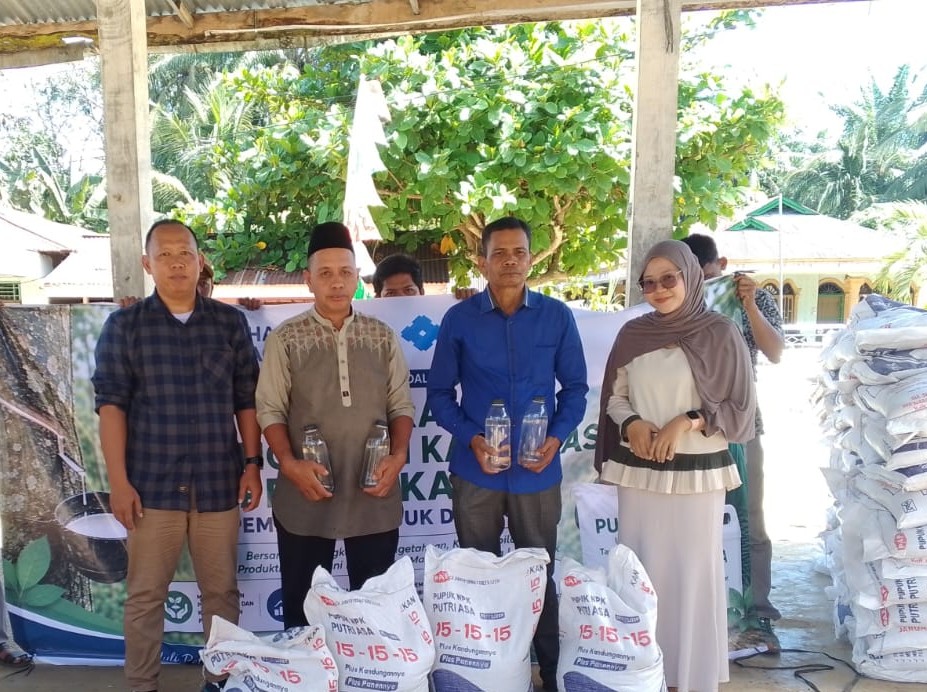
Our newly established SNR Subcommittee systematically categorized natural rubber risk mitigation measures in accordance with the principles of the “Action Framework (AR3T)” proposed by the Science Based Targets Network (SBTN) *3, with the aim of linking identified risks and opportunities to our business activities.
The AR3T framework systematically categorizes the actions taken by businesses to address the impact of their business activities on nature from the perspectives of avoidance, reduction, restoration/regeneration, and transformation.
Through this approach, we will clarify the roles of initiatives, such as risk assessment, farmer support, and research and development, that we have previously pursued separately, as well as the measures we need to address going forward, to accelerate our efforts toward sustainable natural rubber procurement.
■ Expanding support to North Sumatra based on the outcomes of Phase 1
Indonesia is one of the world’s leading producers of natural rubber, and Sumatra Island is one of its major production areas.
During Phase 1 (2022–2025), we supported more than 1,000 smallholder farmers in the Jambi region of Sumatra. In the project areas, both productivity and profitability improved, with natural rubber yields increasing by up to approximately 19%.
The Farmer Support Project is an initiative designated under the “Reduction” objective of AR3T. In Phase 2, we will build upon the practical insights gained in Phase 1 to expand our support to the Rantau Prapat region in North Sumatra, which also faces similar risks within the supply chain. We aim to improve the productivity and profitability of farmers, thereby reducing risks in the natural rubber supply chain.
In the Jambi region, meanwhile, we will provide follow-up training to farmers who participated in Phase 1. By continuously providing technical guidance and agricultural supplies, we aim to ensure that the techniques are fully adopted to further increase yields.
Outline of Phase 2
Comment from Dwi Sutrisno, Sustainability Manager, PT. Hok Tong Indonesia
“This Project is a valuable initiative that strengthens the knowledge, skills, and capabilities of smallholder farmers, while supporting higher productivity and more sustainable farming practices. As the implementing partner, PT. Hok Tong Indonesia is proud to contribute to this effort and to see the positive impact it brings to farmers and their communities.”
■ Future prospects
The DUNLOP Group designates “biodiversity” as one of its material issues*4 and aims to be “a group that understands its dependence on and impact on natural resources, such as natural rubber, and works to coexist with surrounding ecosystems.”
Moving forward, based on our “Sustainable Natural Rubber Policy”*5, we will continue to promote initiatives centered on our group-wide SNR Subcommittee through discussions and collaborative efforts with stakeholders, including suppliers and producers. Additionally, we will seek to ensure the sustainable and stable procurement of natural rubber and strengthen the resilience of our supply chain, while working to address social issues such as environmental conservation in production regions and improving the living standards of producers.
Since 2026, we have unified all communication under the DUNLOP name. We aim to embody three core values across all of our products and services: “Confidence to Face Every Challenge,” “Experiences that Exceed Expectations,” and “Pushing Beyond Limits.” We will continue pursuing our goal of creating positive emotion through innovative experiences for people all over the world. DUNLOP’s brand statement, “TAKING YOU BEYOND,” reflects our commitment to continually expanding the possibilities for all those who embrace challenges and guiding them beyond their limits.
■ Related news release:
April 30, 2026. DUNLOP Conducts Smallholder Support Program Toward Sustainable Natural Rubber Procurement: Contributing to Improving Farmers’ Livelihoods
Reference
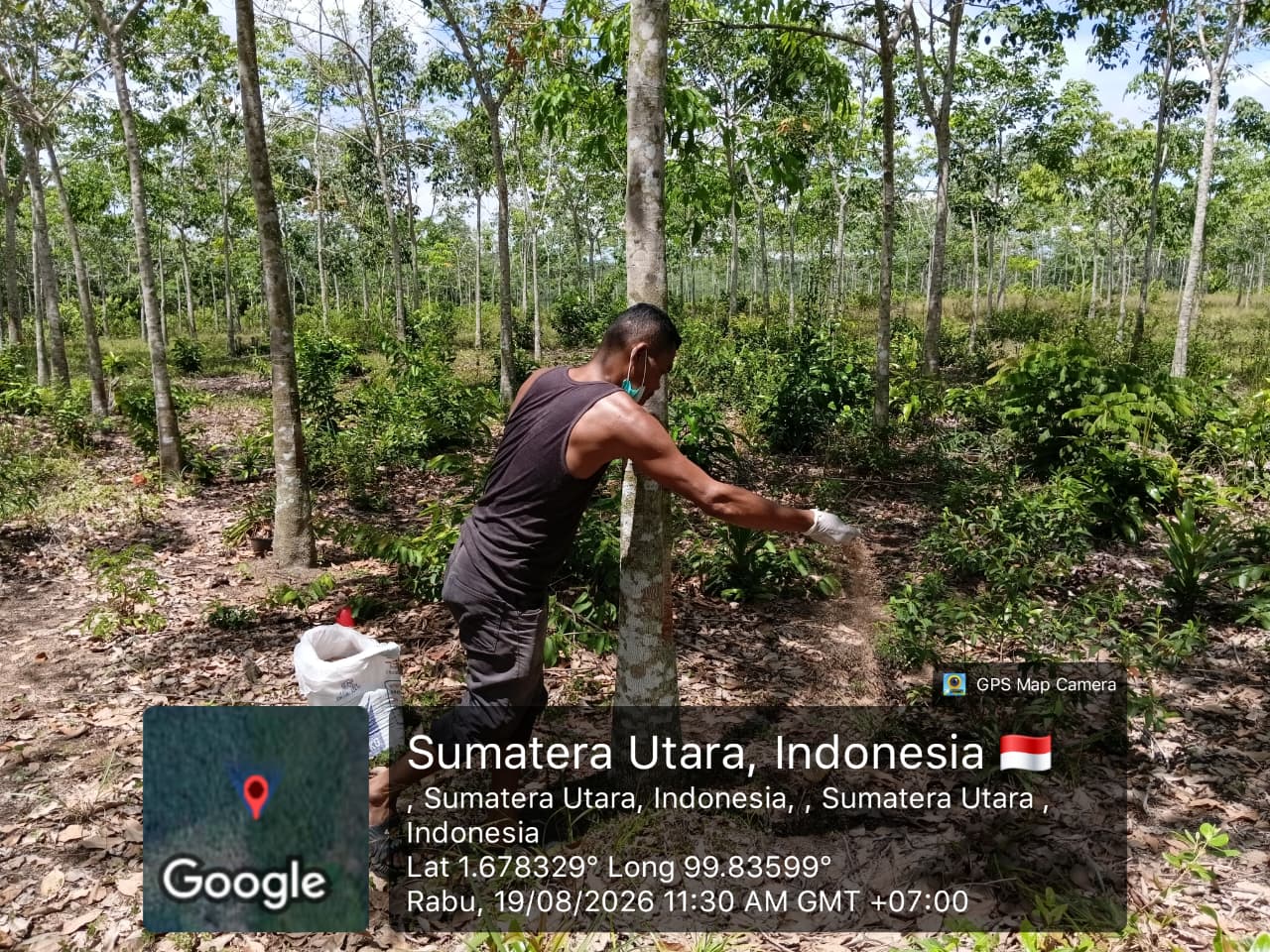
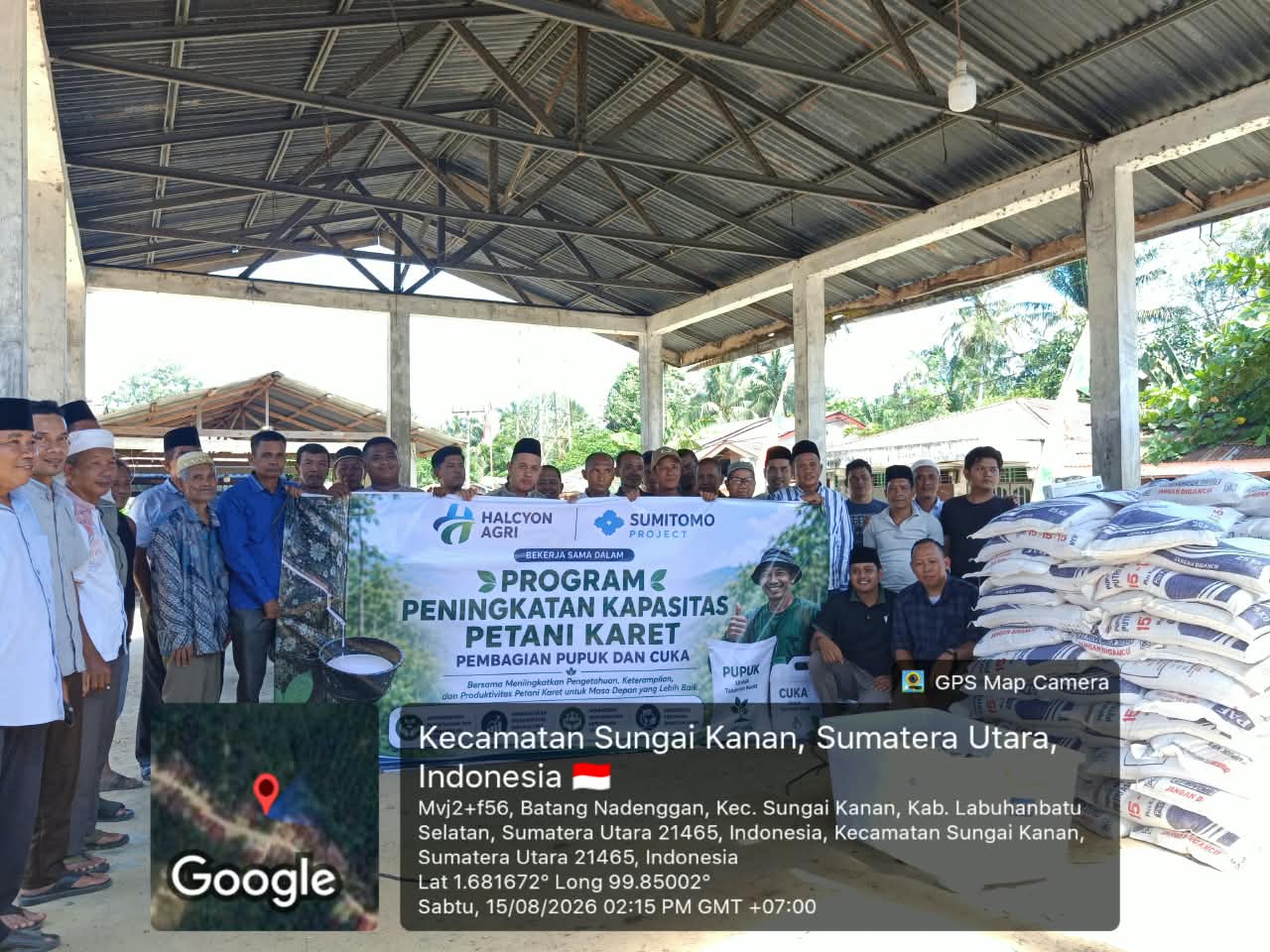
1.Photos of Phase 2 sites
2.Key initiatives to date by DUNLOP Group toward SNR procurement
As part of these efforts, we have been carrying out the second phase of the SNR project to support smallholder natural rubber farmers in Indonesia since April 2026. Originally, the project has been promoted since 2022 by SUMITOMO RUBBER SINGAPORE PTE. LTD., our natural rubber procurement subsidiary, in collaboration with PT. Hok Tong, a natural rubber processing company owned by Halcyon Agri Corporation Ltd., a natural rubber producer and distributor.
In Phase 1, we confirmed improved productivity and earnings for rubber farmers. In Phase 2, we will continue support in the Jambi region of Sumatra and extend coverage to the Rantau Prapat region in North Sumatra. We aim to support a cumulative total of approximately 1,740 farms each year, with the target increasing annually through April 2029.
Farm supplies provided through the project and stakeholders
■ Systematic categorization of initiatives for sustainable natural rubber procurement
Natural rubber is a key raw material for the Dunlop Group. Its production is supported by many smallholder farmers, and thus challenges related to farmer productivity, income, and environmental and social issues directly impact the sustainable and stable procurement of natural rubber.
In accordance with the recommendations of the Taskforce on Nature-related Financial Disclosures (TNFD) *2, the Dunlop Group has identified and assessed the dependence and impact of our business activities on natural capital as well as the resulting risks and opportunities in accordance with the “LEAP Approach, ” and disclosed information accordingly.
Our newly established SNR Subcommittee systematically categorized natural rubber risk mitigation measures in accordance with the principles of the “Action Framework (AR3T)” proposed by the Science Based Targets Network (SBTN) *3, with the aim of linking identified risks and opportunities to our business activities.
The AR3T framework systematically categorizes the actions taken by businesses to address the impact of their business activities on nature from the perspectives of avoidance, reduction, restoration/regeneration, and transformation.
Through this approach, we will clarify the roles of initiatives, such as risk assessment, farmer support, and research and development, that we have previously pursued separately, as well as the measures we need to address going forward, to accelerate our efforts toward sustainable natural rubber procurement.
■ Expanding support to North Sumatra based on the outcomes of Phase 1
Indonesia is one of the world’s leading producers of natural rubber, and Sumatra Island is one of its major production areas.
During Phase 1 (2022–2025), we supported more than 1,000 smallholder farmers in the Jambi region of Sumatra. In the project areas, both productivity and profitability improved, with natural rubber yields increasing by up to approximately 19%.
The Farmer Support Project is an initiative designated under the “Reduction” objective of AR3T. In Phase 2, we will build upon the practical insights gained in Phase 1 to expand our support to the Rantau Prapat region in North Sumatra, which also faces similar risks within the supply chain. We aim to improve the productivity and profitability of farmers, thereby reducing risks in the natural rubber supply chain.
In the Jambi region, meanwhile, we will provide follow-up training to farmers who participated in Phase 1. By continuously providing technical guidance and agricultural supplies, we aim to ensure that the techniques are fully adopted to further increase yields.
Outline of Phase 2
| Period | April 2026 to April 2029 |
| Target areas | Jambi and Rantau Prapat, Sumatra, Indonesia |
| Objective of support | 870 households in Jambi, 870 households in Rantau Prapat annually |
| Main support provided | Technical guidance, agricultural supply support, etc. |
Comment from Dwi Sutrisno, Sustainability Manager, PT. Hok Tong Indonesia
“This Project is a valuable initiative that strengthens the knowledge, skills, and capabilities of smallholder farmers, while supporting higher productivity and more sustainable farming practices. As the implementing partner, PT. Hok Tong Indonesia is proud to contribute to this effort and to see the positive impact it brings to farmers and their communities.”
■ Future prospects
The DUNLOP Group designates “biodiversity” as one of its material issues*4 and aims to be “a group that understands its dependence on and impact on natural resources, such as natural rubber, and works to coexist with surrounding ecosystems.”
Moving forward, based on our “Sustainable Natural Rubber Policy”*5, we will continue to promote initiatives centered on our group-wide SNR Subcommittee through discussions and collaborative efforts with stakeholders, including suppliers and producers. Additionally, we will seek to ensure the sustainable and stable procurement of natural rubber and strengthen the resilience of our supply chain, while working to address social issues such as environmental conservation in production regions and improving the living standards of producers.
Since 2026, we have unified all communication under the DUNLOP name. We aim to embody three core values across all of our products and services: “Confidence to Face Every Challenge,” “Experiences that Exceed Expectations,” and “Pushing Beyond Limits.” We will continue pursuing our goal of creating positive emotion through innovative experiences for people all over the world. DUNLOP’s brand statement, “TAKING YOU BEYOND,” reflects our commitment to continually expanding the possibilities for all those who embrace challenges and guiding them beyond their limits.
| *1 | SNR stands for Sustainable Natural Rubber. For details on the establishment of the SNR Subcommittee, refer to the press release announced earlier. [October 1, 2026, “Enhancing Sustainability Management Structure: Promoting Integration with Business Strategies and Accelerating Sustainable Natural Rubber Initiatives”] |
| *2 | TNFD (Taskforce on Nature-related Financial Disclosures) An international task force that provides recommendations and guidance to help companies etc. to identify and assess their dependence and impact on nature, as well as related risks and opportunities, and use this information for response measures, disclosure, and decision-making. Information disclosure aligned with the TCFD and TNFD recommendations |
| *3 | SBTN (Science Based Targets Network) An international network that provides methodologies and guidance to help companies set science-based targets related to nature and drive concrete actions. SBTN official website |
| *4 | Material Issues |
| *5 | Sustainable_Natural_Rubber_Policy |
■ Related news release:
April 30, 2026. DUNLOP Conducts Smallholder Support Program Toward Sustainable Natural Rubber Procurement: Contributing to Improving Farmers’ Livelihoods
Reference
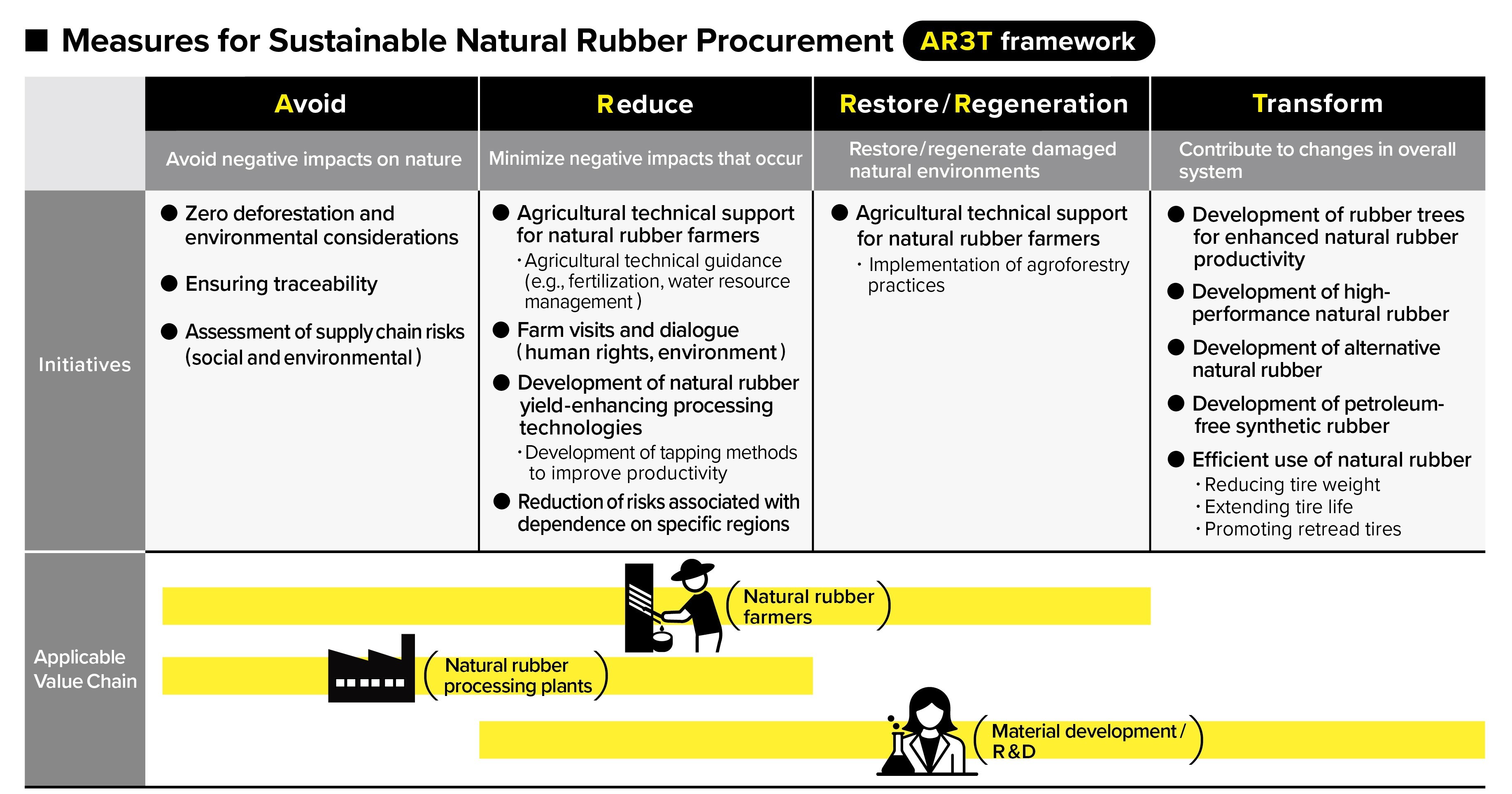
1.Photos of Phase 2 sites
 |
 |
| Scenes from natural rubber plantations in North Sumatra |
Stakeholders in capacity building program
for smallholder rubber farmers in North Sumatra
|
2.Key initiatives to date by DUNLOP Group toward SNR procurement
| Time | Position within AR3T | Main Initiative |
| August 19, 2026 | REDUCE | DUNLOP Launches Joint Research on Sustainable Natural Rubber Production: Collaborating with Thai Research Institutions and Universities to Improve Productivity |
| April 30, 2026 | REDUCE | DUNLOP Conducts Smallholder Support Program Toward Sustainable Natural Rubber Procurement: Contributing to Improving Farmers’ Livelihoods |
| April 23, 2024 | AVOID | Sumitomo Rubber Group Company Participates in “PROJECT TREE” Initiative to Improve Sustainability of Natural Rubber Industry |
| October 12, 2023 | AVOID | Sumitomo Rubber Introduces a Risk Assessment Tool Specific to Natural Rubber Sustainable Procurement of Natural Rubber |
| October 27, 2022 | REDUCE | Sumitomo Rubber Holds Kickoff Ceremony for Pilot Project Toward Achieving Sustainable Natural Rubber |
| August 31, 2021 | AVOID | Sumitomo Rubber Group Updates “Sustainable Natural Rubber Policy” |